Capturing hope and resilience in communities tackling hardship
Over the past 3 years, JRF has been on a learning journey, working with community groups across the UK, to develop a more ethical, representative approach to our visual storytelling, with co-creation at the centre.
Images in the media and communications play an important role in shaping how communities and places are represented and understood. It is often the case that images can shape and further reinforce the stigmatisation of many communities impacted by the effects of poverty. It’s not just the final images though, it is who makes them, who chooses them, and who gets to decide what a place or community looks like.
At JRF we’ve been on a learning journey over the past 3 years working with several community groups across the UK, people with learned and lived experience of poverty, ethical storytelling experts, photographers and filmmakers, to develop a more ethical and representative approach to our visual storytelling, and one that has co-creation at its heart.
This approach prioritises capturing and representing the fluidity, reality, and lived experiences of communities and people, attempting to readdress the power imbalance that can take place in the image making process, giving people and communities agency to be seen as a true reflection of themselves. Our Head of Design and Production, Martyn Hall said:
"It’s all about exploring connections and open conversations. We have ignited a powerful collaboration of perspectives between exceptional creatives, sector experts, community leaders, people with experience of the issues we are trying to represent and our teams at JRF. We want to authentically share inspiring stories and showcase hopeful ideas, capturing the people and places sowing the seeds of a better future, today. We know statistics can be impactful, but combining those with powerful stories is fundamental to our approach."
Ethical visual storytelling — setting the foundations
Back in 2023, we recognised that our reliance on stock imagery across our communication channels at JRF was limiting storytelling. The use of stock images often failed to represent the real experiences of communities across the UK and did little to challenge the stigma surrounding people and communities affected by poverty, such as the long list of negative headlines and images when you search for certain places online, all of which can shape and distort public understanding of poverty.
So we began a four-month collaboration with the Stigma Free Futures Design team, a diverse group bringing lived and learned experience of poverty. We set out with the broad aim to explore and challenge the relationship between poverty and stigma through a ‘photography lens’. There wasn’t a fixed path or blueprint that we wanted to follow, but we made a commitment to move through the project together at the same pace, with trust and learning at the centre of the project, removing any assumptions that we already knew the answers. We established shared ways of working that ensured a coalitional, trust‑based approach where all stakeholders could contribute equally, as we recognised from the outset the need for creativity, flexibility and a learning mindset rather than absolute perfection.
From there, we built out a creative brief by studying what can harm communities in the media and what helps challenge stereotypes. We also learned from specialist Kate Watson about ethical storytelling across every stage of the photography process, from planning and producing, to editing. We learned how vital informed consent really is, not as paperwork, but to safeguard participants. We learned the importance of context, captioning, and the use of non-identifiable imagery.
These lessons filtered into our internal processes immediately, leading to improved informed consent processes and more thoughtful selection of imagery workflows, such as more clarity about why an image exists, where it’s used and what story it’s telling.
Ethical storytelling principles
The principles that emerged from this work were co-created, tested and refined through conversation, lived experience and honest reflection. They’re not fixed, they are a living document, but they have become fundamental in guiding us in all our decision making around our storytelling. Here are our principles:
- Collaborative: ask participants how they want to be portrayed, prioritising dignity, privacy and agency.
- Authentic: be non-intrusive and show real, relatable everyday moments that reflect the wider context of people’s lives.
- Empowering: ensure images convey empowerment, resistance, unity and creativity.
- Representative: Show diverse places and communities, challenging assumptions about who experiences poverty.
- Hopeful: use warm, natural lighting and calm colours with pops of colour to create a hopeful tone.
- Listening: provide the option for anonymity and use creative, thoughtful approaches (for example, objects or metaphors) to represent the forces of poverty.
- On the same level: shoot at the same level or use varied angles to show we are standing alongside people featured.
- Informed: ensure consent is freely given and understood by everyone involved.
Photography commission with Sukhy Hullait
Following a shortlisting process rooted in these shared principles, we were delighted to partner with photographer Sukhy Hullait for this first commission, Sukhy’s approach aligned with our principles, and the outcome of the photography commission went beyond a collection of images. Working with Sukhy taught us to:
- slow down and recognise the emotional nature of the work
- prioritise research, reflection and preparation
- to work at the community’s pace, not the projects
- build in additional time, and also regular well-being check-ins throughout the process, both with the photographer and community partners.
Sukhy said something that stayed with all of us during one conversation during the project, that it’s about ‘making a photo’ rather than ‘taking a picture’. This choice of words perfectly encapsulated the essence of this work and the whole commission. We weren't wanting to take anything. We were making something with people and the community. One image from this commission went on to win a Portrait of Britain award in 2025, a moment of pride shared by everyone involved, especially Dawn, a food bank volunteer in East Dulwich, London, who featured in the winning image.
Hardship short films
In 2024 we moved into video, creating a series of short films with filmmaker Zoe East and community organisations including People Focussed Group (Doncaster), The Annexe (Hartlepool), Back on the Map (Sunderland) and Changing Futures Northumbria, organisations which demonstrate how local services and residents are coming together to provide practical support, build trust and create long-term change.
As with our photography work, the films were shaped by our ethical storytelling principles. Small crews, building trust, and longer timeframes. Contributors in each community shaped the narrative and told it themselves in their own words. Informed consent was treated as an ongoing process, with clear communication about how the films would be used, and opportunities for contributors to review edits before publication. The final films, like the previous photography commission, showed not only the realities of hardship but the strength, care, creativity and resourcefulness within communities.
Building on the work
By spring 2025, with all these learnings under our belt, we made 3 conscious decisions for the next photography commission:
- We need to work with more communities actively responding to hardship.
- We should focus on everyday moments that widen the lens on community life.
- We will drop fixed timelines and deadlines and instead work at the pace of the people in the communities and photographers.
We commissioned Freya Najade, Claire Walmsley Griffiths and Matt MacPake. Each brought not just aligned values, approach and styles, but also a deep-rooted connection to place through their work. From the outset, we prioritised building relationships with the photographers and understanding their working styles, and also their existing connections and networks.
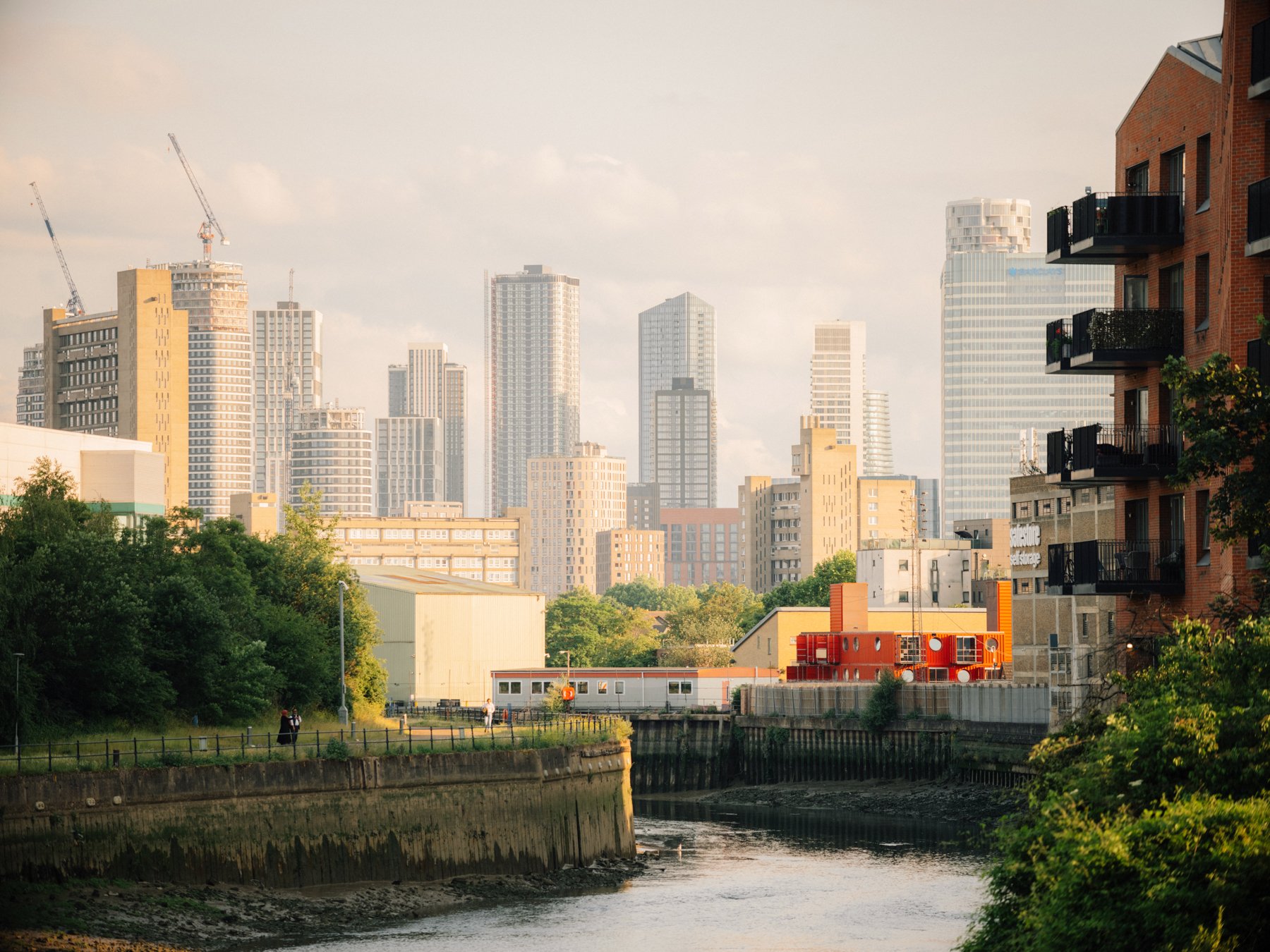
Claire’s network in Blackpool, for example, shaped our approach there. A call she convened revealed a common frustration: that Blackpool is often stereotyped through narrow narratives of tourism and high levels of deprivation in the media. What the call demonstrated was that the community was ready for an overdue, fuller and more hopeful representation. The photographer, Claire Walmsley Griffiths said:
"The commission is allowing me to evaluate my own approaches, and the time spent listening to JRF podcasts is creating space for me to understand and confirm my own feelings about the portrayal of places like Blackpool, low opportunity, and how mass media's portrayal can be unhelpful."
Communities at the heart of the work
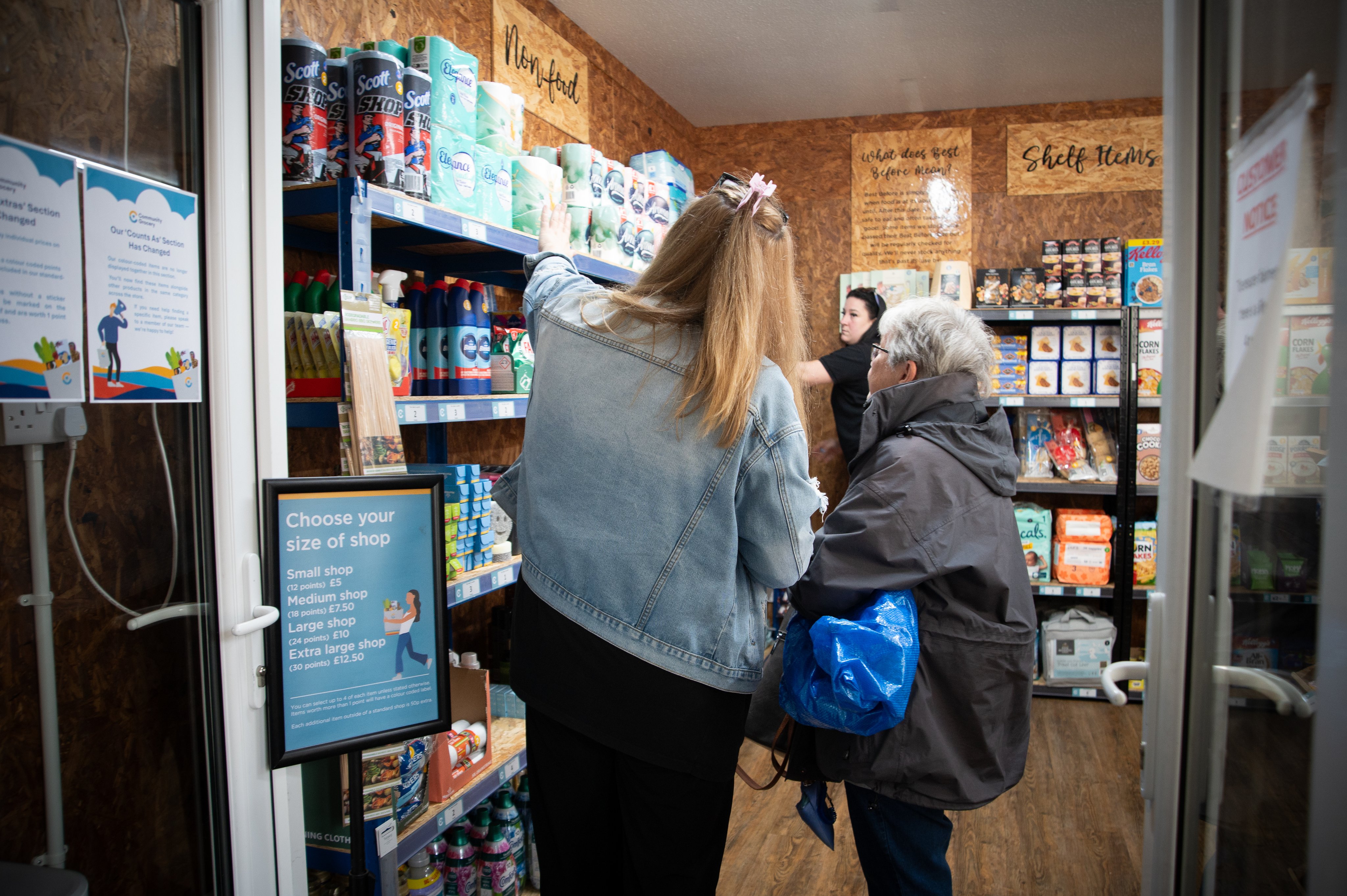
The brief prioritised everyday life, work, care, family, health and wellbeing, and was all about trying to document social ties, support systems and everyday environments that help people navigate hardship. With support from photographer networks, Corganisers and JRF’s existing relationships, this led us to work with several organisations. These included: People Focussed Group in Doncaster, Haringey Community Food Network in Tottenham, Back on the Map in Sunderland, North Birkenhead Development Trust and Neo in South Wirral, Bow Foodbank and Island House in Tower Hamlets, and Leftcoast, At The Grange and Bispham Pantry in Blackpool.
We worked across cities, coastal towns and rural areas, recognising how geography and local economies shape lives in distinct ways too. Despite us opening up this work to more places, it must be acknowledged that it only captures a small number of communities that are facing hardship and Poverty in the UK. The photographer, Matt MacPake said:
"One of the greatest things about photography is that it takes you into new places and introduces you to people from all walks of life. Travelling across the country and witnessing how diverse communities come together to support one another was incredibly moving. In challenging times, those moments felt genuinely inspiring and offered a sense of hope that a better future is possible for everyone, especially for those who need it most."
We worked closely with each community organisation to understand what they wanted to represent through the images. Rather than directing or having pre-defined ideas of what we wanted to capture in the images, we listened to community leads and participants to better understand what mattered, what should be seen and what felt true to them. The photographer, Matt MacPake said:
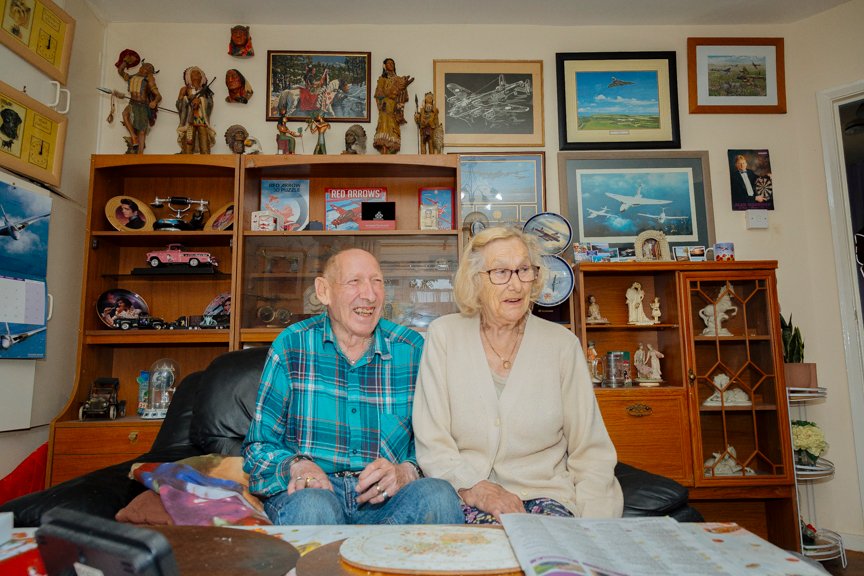
"Our approach was simple: spend time listening, have genuine conversations with community members and support workers, and allow the images to grow naturally from those interactions. Often, the most meaningful photographs emerged from unexpected moments of serendipity like the wonderful elderly couple in Doncaster who proudly showed me their Elvis-themed bedroom, and a living room filled with trinkets and ornaments collected over a lifetime together."
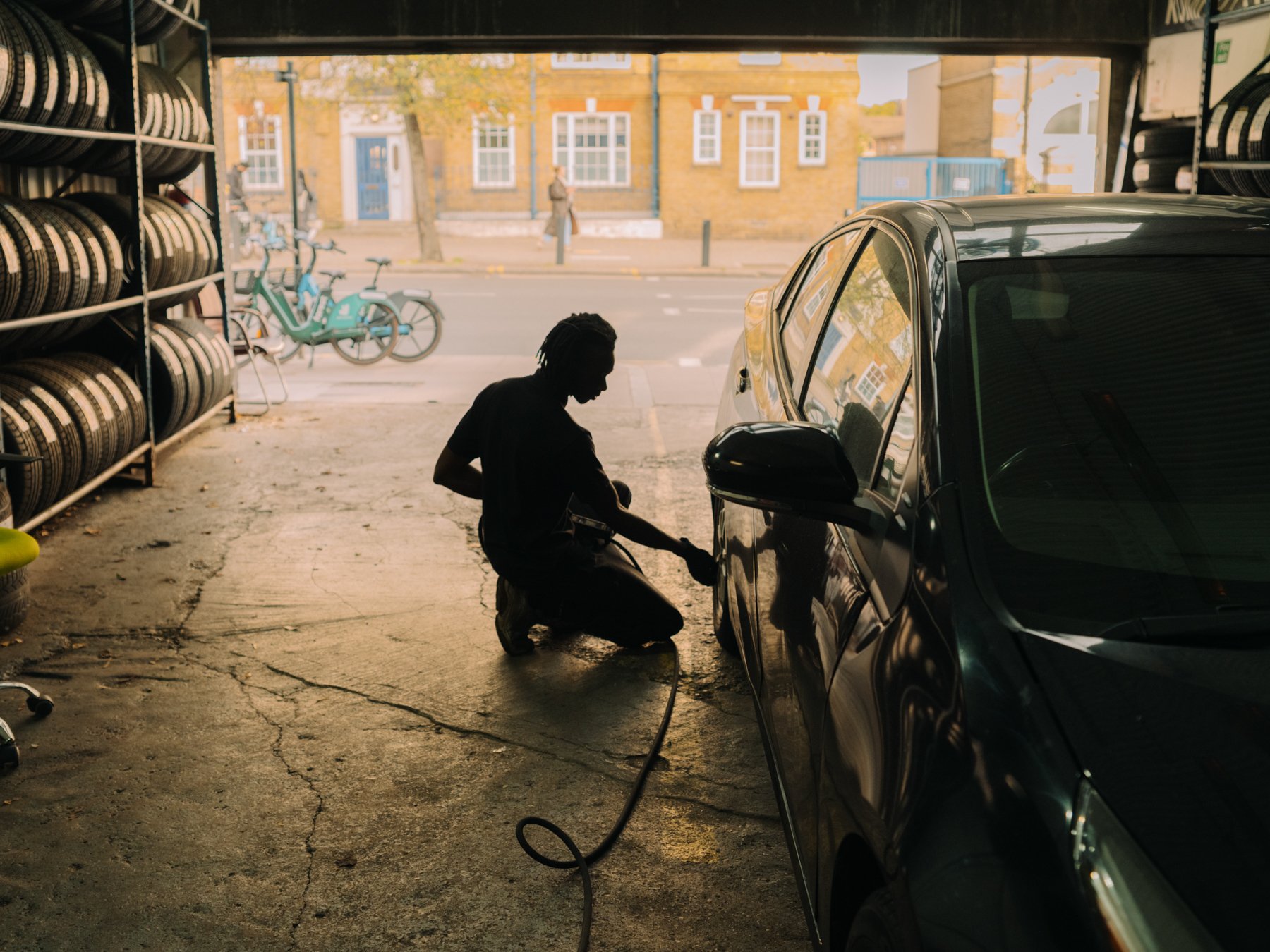
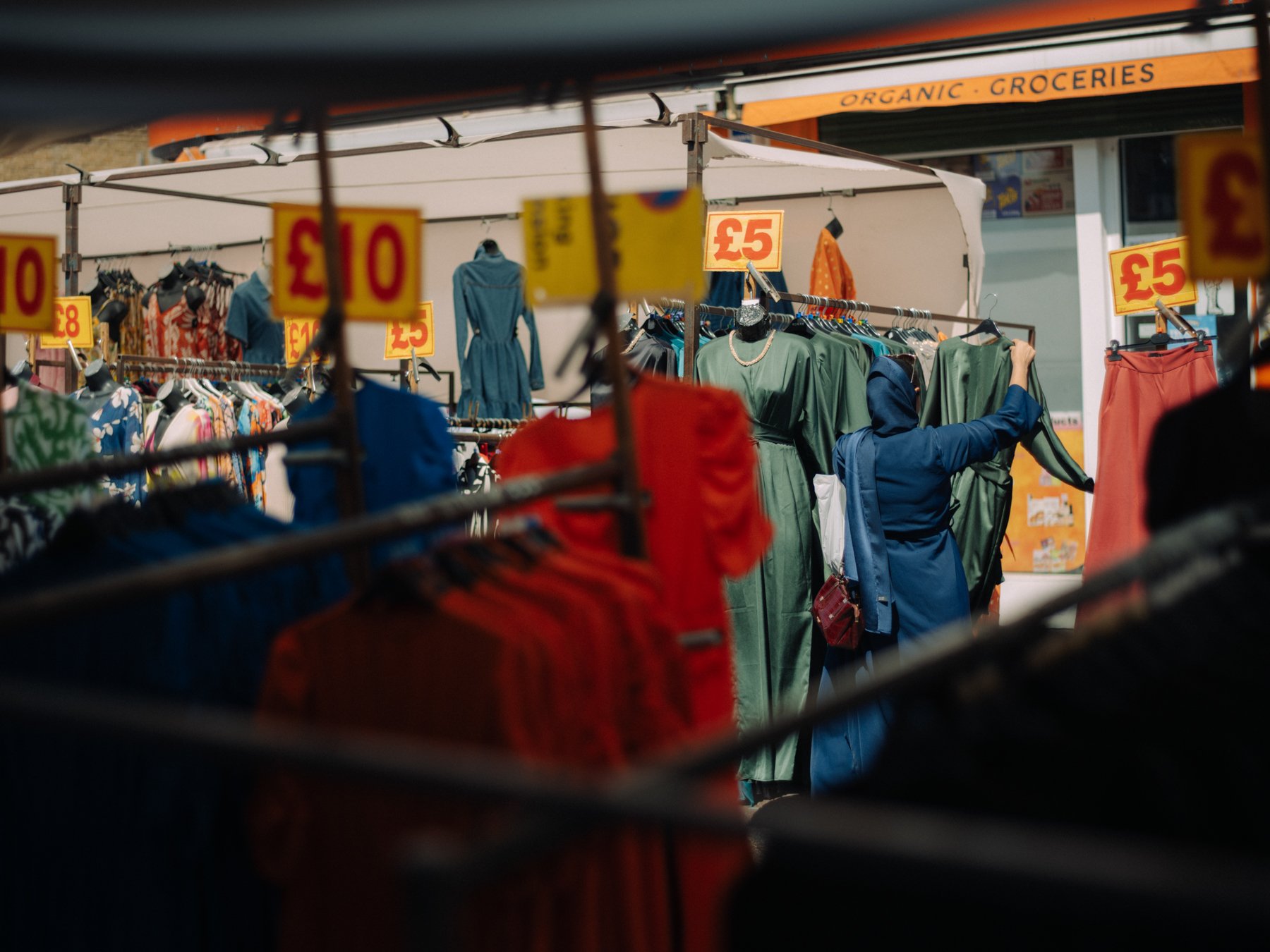
What emerged weren't always dramatic revelations but instead quiet truths capturing the strength and resilience in everyday moments. Care and support happening in kitchens, grocery aisles and markets stalls, moments and stories that are not typically depicted in the media, but which are important and show the strength, resilience and hope that exist within communities. The photographer, Freya Najade said:
"What stayed with me most during this commission was the generosity of the communities I spent time with. The ethical storytelling principles encouraged a slower, more attentive approach, creating space for conversation and trust before photographing. What became clear through this process was that resilience often appears in very ordinary moments: people working, doing their shopping, or participating in community activities. These everyday scenes revealed for me far more about care and solidarity than any dramatic image could."
Keeping participants informed
Informed consent was a fundamental principle throughout, with community leads identifying participants who wanted and felt empowered to take part, and everyone involved receiving clear information about why the images were being taken, how they would be used, and where they would appear. Consent was treated as an ongoing conversation that continued after the commission ended. To reinforce this, before using any images that feature recognisable individuals, we contact participants in advance to check that they remain comfortable with how and where their image will be shared, ensuring dignity and agency at every stage. Moussa Amine Sylla, Head of Training and Organising at Community Organisers said:
"Thank you again for sharing the final images from the Haringey photoshoot they are fantastic, and I really appreciate the thoughtful way you and Matt have approached the whole process. I have shared them with those involved and everyone finds them fantastic."
To share value and power with the organisations we worked with, we also shared a wider image edit with each community organisation for their own use in their communications: this was in response to feedback that organisations often lack the resources to commission photography themselves and tell their stories. It’s been great to see some of these images being used on the organisations’ own websites, as well as helping communicate some of their work in the media too.
Important lessons, and what’s next
Our ongoing learning through these projects has deepened our understanding of how imagery can show communities in ways that feel more fluid, honest, and representative. This work has also shown the vital role creatives play, and the range of approaches they bring, to capture places and people authentically, for example through natural light, realism, and a commitment to genuine storytelling. It has also highlighted the transformative impact of working in this way, not only for the communities involved but also for the photographers and creatives. Photographer, Matt MacPake said:
"One moment I often think about was visiting the Haringey Community Food Network, where a group of women were working together on the Caribbean-themed Recipes of Love project. The energy in that kitchen was extraordinary, full of laughter, conversation and shared purpose. I hope the photographs capture some of that spirit and reflect their presence and story in a way that feels truthful to them."
The methods of each photographer in the commissions included the use of film photography or natural light, which introduces an authenticity and honesty that aligns strongly with the aims of this work. These more considered, slower approaches stand in contrast to the speed and prevalence of digital production and the increasing rise of AI‑generated imagery. Film and other analogue methods and slower approaches can help restore trust and emphasise the richness and nuance of real life.
As we move forward, we will continue to explore how thoughtful visual choices can deepen the way communities are portrayed, and how creatives can help ensure those portrayals remain grounded, authentic and respectful. While our work has already spanned multiple communities, it’s important to recognise the limitations of being a small team and the challenge this poses in building truly in‑depth, trusted relationships with the people we work alongside, as this does require a lot of time and capacity.
Reflecting on these limitations, we feel that a valuable next step would be to explore a long‑term creative residency within a single community, fully immersing ourselves in 1 place to tell a richer, more sustained story. This may take the form of a storytelling residency in a location inviting photographers, filmmakers or other creatives to spend extended time (3–6 months) embedded in the same community. Working with local organisations and residents, the residency could potentially lead to a range of outputs such as photography, film, written pieces or articles, or local exhibitions, co-creating a richer and layered narrative. Photographer, Claire Walmsley Griffiths said:
"I think a lot about how storytelling within static images can be relatable, and that in current times of unrest, community energy online is often negative, and spaces of community have disappeared. Exploring the grassroots spaces I have so far is peppered with positivity around collaboration and connection. When we see traditional community spaces disappearing, small hopeful groups appear."
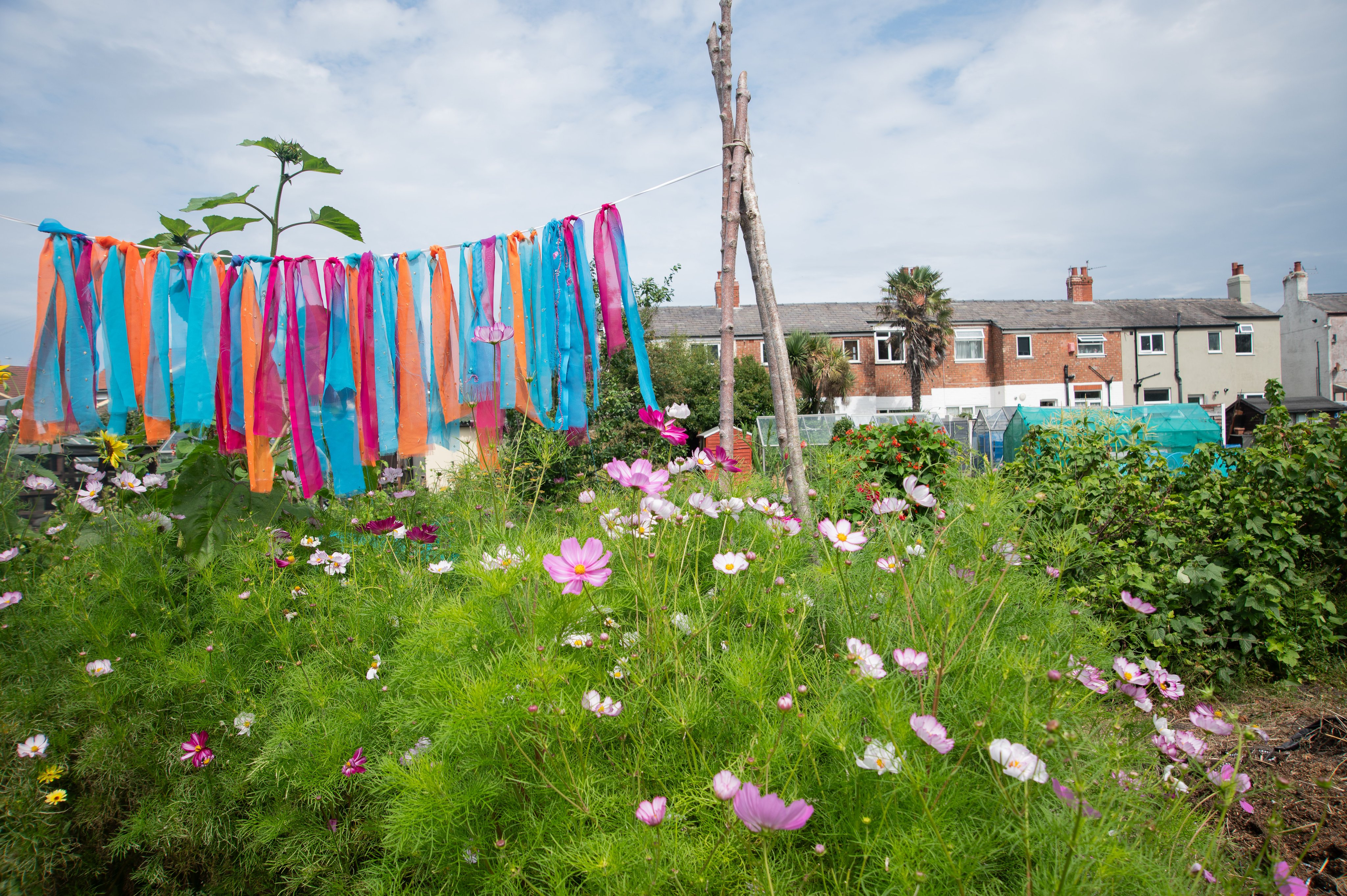
What has become clear across each of these projects when viewed through an ethical storytelling lens is the powerful connection that emerges when creatives work alongside communities. Together, they continue to reveal the strength found in people coming together, and help shape a vision of the UK that unites rather than divides.
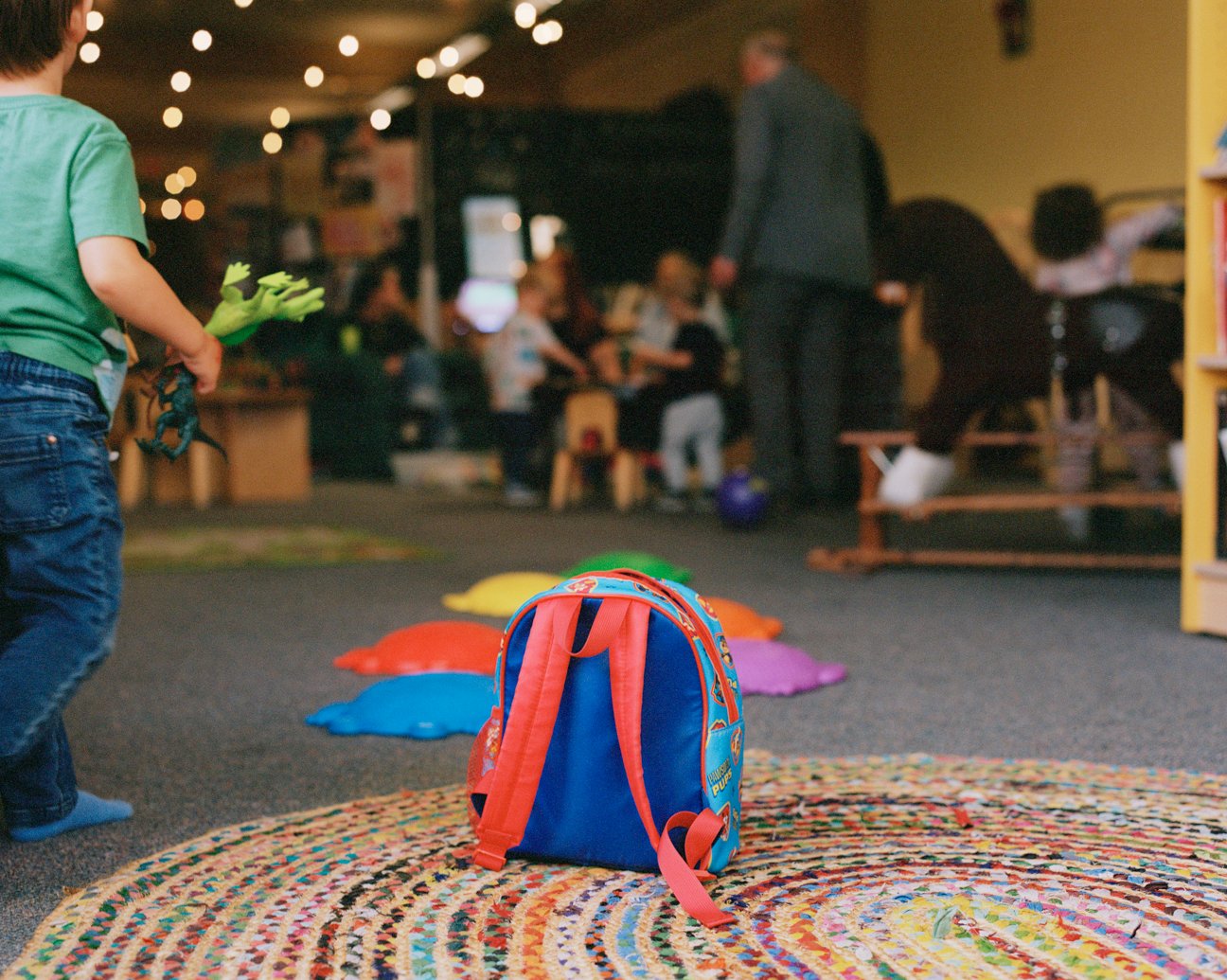
In today’s fractured landscape, these photographs and films offer a hopeful view of the UK in 2025: hope grounded in ordinary, everyday moments. These are often the moments that go unnoticed and are rarely captured by mainstream media, yet they hold immense value. They show that with the right conditions, support, and trust in communities, a better future is possible.

This reflection is part of the neighbourhoods and communities topic.
Find out more about our work in this area.