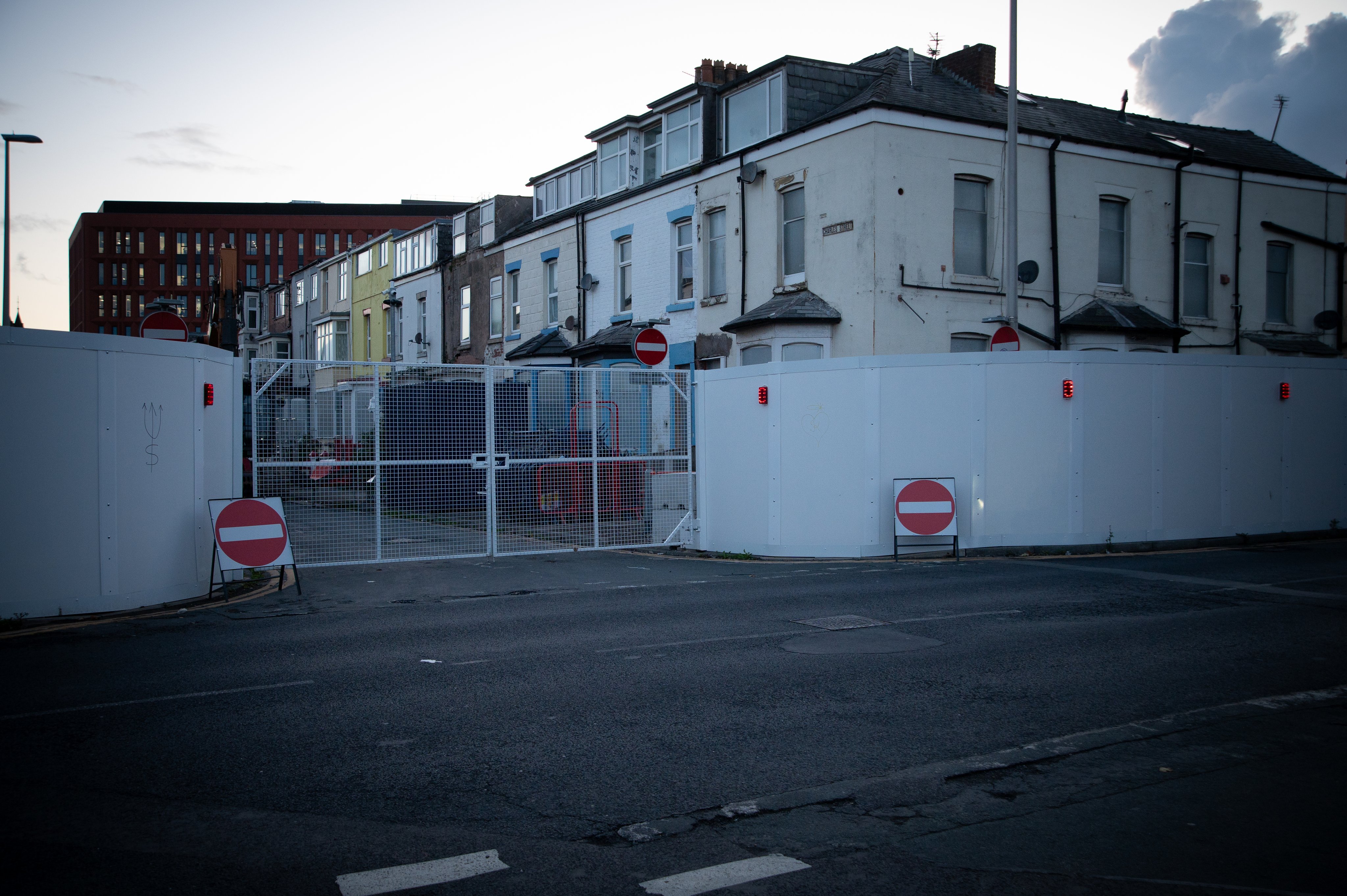
Man walking down street on a summers day past a closed down business with a to let sign.

Income, savings and debt

How factoring savings and debts into our picture of household finances can improve our understanding of how to achieve a more socially just future.

Our mission

Everyone should have the financial security to live well now and plan confidently for the future. For too many people low or unpredictable incomes, little or no savings and growing debt make it difficult to weather life's challenges and build long-term economic security.

Our work explores what households need to achieve a decent standard of living, how incomes measure up against that, and what can strengthen economic security. We use evidence on income adequacy — what the Minimum Income Standard should be, and how many households are living below it — as well as savings, debt and pensions to shape policies that help prevent hardship and make people more financially secure.

Finances beyond income

Living standards and inequality are often discussed in terms of the flow of weekly or annual income. But just as companies are assessed through balance sheets detailing what they own and what they owe, a rounded picture of household finances must include their income, savings and debt.

No savings leaves households vulnerable

Savings provide economic security when unexpected costs arise. Without savings, a broken boiler, car repair or temporary loss of income can quickly become a financial crisis. This is not a niche issue: around a quarter of UK adults have less than £100 in savings, leaving millions with little protection against everyday shocks.

When people have no financial buffer, they are more likely to fall behind on essential bills, rent or other commitments. Debt and arrears can then make it even harder to recover.

Financial insecurity doesn't end at retirement. Many people worry they won't have enough savings or pension income to maintain an acceptable standard of living in later life, while declining home ownership means fewer households have assets to rely on. Building economic security throughout life is essential to ensuring everyone has what they need, now and in the future.